
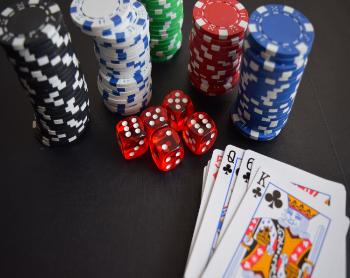


I spent close to fifteen years working overnight security in regional casinos across the Gulf Coast and parts of the Midwest. Most people assume casino work is all noise, lights, and lucky streaks, but the real job is watching patterns. I learned more about human behavior between midnight and sunrise than I ever expected. Some nights felt calm enough to hear slot machines clicking across the floor, while others turned chaotic in less than ten minutes.
The Difference Between Regular Players and Weekend Visitors
The regular players rarely acted the way tourists imagined gamblers would. Most of them had routines that barely changed from week to week, including the same machine rows, the same coffee orders, and the same arrival times. I remember an older mechanic who came in every Thursday after his shift and played low-limit video poker for about two hours before heading home. He barely spoke to anyone, but dealers and floor staff knew exactly where to find him.
Weekend visitors usually brought a different energy into the building. They moved quickly, jumped from table to table, and often treated the casino like a loud vacation stop instead of a place with rhythms and unwritten rules. A lot of security issues came from that crowd, especially late at night after people mixed alcohol with frustration. I once spent nearly forty minutes calming down a man who lost several thousand dollars in a single stretch at blackjack and became convinced the dealer had cheated him.
People outside the business sometimes assume casinos want reckless behavior because it makes money. That was not my experience. Most managers I worked with preferred steady players who stayed calm, tipped consistently, and understood their limits. Those customers caused fewer problems and usually returned for years.
What I Learned Watching Players Chase Losses
One of the hardest parts of casino work was watching people convince themselves that the next hand or next spin would reverse a terrible night. I saw that mindset almost every weekend. A person would lose more than planned, head toward the ATM, and suddenly start making decisions they clearly would not make at home. The emotional shift happened fast.
A dealer I worked beside for years used to tell newer employees to pay attention to body language instead of words. He was right. Once someone stopped joking with friends and started staring silently at chips or machine credits, the night often turned bad shortly afterward. You could almost predict it after enough years around casino floors.
A few players tried using outside betting tools and online strategy forums to regain control after losing streaks. One younger customer mentioned using umi55 while comparing different online casino bonuses and match offers during a break at the sportsbook lounge. He spent more time discussing payout terms than actually watching the game on screen, which honestly happens more often now than people realize.
The strangest thing about loss chasing is how quiet it becomes after a while. Early losses usually create loud reactions. Bigger losses often create silence. I still remember a woman sitting at a penny slot machine near the entrance one winter night with untouched food beside her for nearly an hour because she refused to leave the chair. Nobody had to tell the staff she was having a rough night. Everyone already knew.
Why Smaller Casinos Feel More Honest to Me
I worked temporary shifts at a few giant resort casinos, and the atmosphere always felt different from the smaller regional places. Large properties can feel impressive at first because every surface shines and every hallway seems designed for a postcard. After several weeks, though, the place starts to resemble an airport terminal with slot machines. People drift through constantly, and very few interactions feel personal.
The smaller casinos usually had fewer than a hundred table games and a tighter staff. Dealers knew repeat customers by name, bartenders remembered drink orders, and security recognized regular habits almost immediately. That familiarity reduced problems because employees spotted unusual behavior early. It also made the building feel less anonymous.
One small riverboat casino where I worked had an older craps dealer who could tell when someone was bluffing about being an experienced player within thirty seconds of hearing them talk. He had worked casinos since the early nineties and treated the floor almost like a neighborhood block instead of a gambling hall. Younger workers respected him because he stayed calm during situations that rattled everyone else.
The money still moved fast in those places. Some nights were brutal. Still, the environment felt more grounded than the giant resorts where people wandered through massive gaming areas without ever speaking to the same employee twice.
The Parts of Casino Work Most Guests Never Notice
Guests usually notice jackpots, loud celebrations, and packed blackjack tables. They rarely notice the quiet systems keeping everything from collapsing into confusion. Surveillance teams watch dozens of angles at once. Custodial crews move constantly through smoking areas. Cage workers handle stacks of chips and cash under pressure for entire shifts.
Casino floors can become physically exhausting after six or seven straight hours. The lights stay bright no matter the time, and the noise never fully disappears. During holiday weekends, I sometimes walked close to ten miles in a single overnight shift without realizing it until I got back to my truck at sunrise.
The emotional pressure affects employees too. I saw dealers absorb verbal abuse from losing players while still maintaining polite conversation with the next customer walking up to the table. That takes patience most people never think about. One cocktail server I knew used to sit alone in her car for twenty minutes after work before driving home because she needed silence after dealing with constant noise all night.
People also underestimate how often casino employees talk quietly among themselves about customers they worry about. If someone appeared overly intoxicated or emotionally unstable, word spread quickly through security and floor staff. Contrary to what some assume, nobody wanted situations escalating into medical emergencies or fights.
Online Gambling Changed the Mood Around Casinos
About ten years ago, I started noticing players spending more time on their phones than watching live games. Sports betting apps, online poker rooms, and digital slot platforms changed how people approached gambling in general. Some customers arrived already emotionally invested because they had been betting online all afternoon before stepping inside the casino.
The old rhythm used to involve people treating casino visits as isolated events. They planned a trip, brought a budget, and played for a few hours. Now gambling follows people around constantly through phones and tablets. That shift changed conversations on the casino floor in ways outsiders probably would not notice immediately.
I met younger players who barely touched physical slot machines because they preferred mobile betting systems with faster results and more bonus features. Older regulars sometimes complained that the casino no longer felt social. In some ways they were right. It became common to see four friends sitting together while barely speaking because everyone stared at separate screens.
Even with those changes, the basic emotions stayed exactly the same. Excitement still looked the same. Frustration still sounded the same. Regret definitely stayed the same. Technology changed the delivery system more than the emotional experience itself.
I still stop into casinos a few times each year, though usually for dinner or to meet old coworkers passing through town. The buildings smell familiar the moment the doors open. I hear chips clacking across tables, somebody celebrating near a slot bank, and a tired dealer calling out the next hand after midnight. After all these years, that sound still reminds me of long overnight shifts where the carpet patterns never changed and the clocks somehow moved slower than anywhere else.